Discovering the Conveniences and Applications of an Aluminum Foundry in Modern Manufacturing
Aluminum foundries play a vital role in contemporary production. Their capability to produce lightweight yet sturdy components is especially beneficial in markets such as auto and aerospace. The use of cutting-edge casting strategies further enhances performance and precision. As the demand for lasting manufacturing practices grows, the significance of aluminum foundries proceeds to climb. What specific benefits do these centers supply, and exactly how are they shaping the future of production?
The Flexibility of Aluminum in Manufacturing
Aluminum, a lightweight metal, has actually come to be a keystone in modern production as a result of its exceptional convenience. This versatility enables aluminum to be used in various industries, varying from automobile to aerospace and building and construction. Its capability to be quickly formed and built makes it ideal for producing complex components and structures - aluminum foundry. Moreover, aluminum can be alloyed with other metals, improving its buildings and expanding its applications
In the auto field, aluminum is favored for its strength-to-weight ratio, adding to fuel efficiency. In aerospace, its rust resistance and lightweight nature are vital for airplane performance. Additionally, light weight aluminum's recyclability includes ecological benefits, straightening with lasting manufacturing practices.
Trick Benefits of Using Aluminum Foundries
Aluminum foundries supply considerable advantages in manufacturing, largely because of the light-weight nature of aluminum, which enhances item efficiency and effectiveness. In addition, these foundries offer a cost-efficient method to manufacturing, enabling companies to decrease costs while keeping top notch criteria. Understanding these benefits is vital for business aiming to enhance their manufacturing processes.
Light-weight Material Advantages
Light-weight products play a crucial function in modern manufacturing, and aluminum foundries exemplify the benefits of making use of such materials. Aluminum supplies a remarkable strength-to-weight ratio, allowing suppliers to create elements that are both very easy and sturdy to manage. This decreases the overall weight of products, which can improve performance in different applications, from auto to aerospace. In addition, the lightweight nature of aluminum adds to enhanced gas performance in lorries, as lighter components require much less energy to move. In addition, light weight aluminum's resistance to corrosion expands the life expectancy of elements, making them ideal for long-lasting usage. Overall, the advantages of lightweight materials like aluminum are substantial, driving technology and effectiveness in manufacturing procedures throughout several markets.
Cost-Effectiveness in Production
While many products are offered for production, the cost-effectiveness of light weight aluminum foundries sticks out as a vital benefit in manufacturing. Aluminum is abundant and reasonably low-cost, reducing basic material prices substantially. Furthermore, the efficiency of contemporary aluminum foundries enables high-volume manufacturing with minimal waste, adding to lower general expenditures. The fast solidification procedure in light weight aluminum casting not only speeds up manufacturing yet additionally lessens power usage compared to various other steels. In addition, the recyclability of light weight aluminum contributes to its cost-effectiveness, allowing makers to reuse scrap product without jeopardizing top quality. On the whole, the economic benefits of using light weight aluminum foundries make them a compelling option for makers seeking to maximize manufacturing expenses while preserving high requirements of quality and efficiency.
Applications of Aluminum Foundries Across Industries
Aluminum foundries play a vital role in different markets, particularly in automobile and aerospace markets. Developments in the automobile sector have actually led to light-weight components, enhancing fuel efficiency and efficiency. Likewise, aerospace part production gain from aluminum's strength-to-weight proportion, making it vital for innovative airplane styles.
Automotive Sector Innovations
A substantial change towards light weight aluminum in the automotive sector has transformed vehicle design and production procedures. This lightweight material enhances fuel performance and reduces greenhouse gas discharges, lining up with contemporary ecological requirements. Aluminum foundries play a crucial role in generating elements such as engine blocks, framework, and body panels, promoting a structured production procedure with accuracy casting methods. Developments in light weight aluminum alloys have actually better improved strength and toughness, making automobiles safer while keeping performance. Furthermore, the recyclability of aluminum supports sustainability initiatives, enabling the development of closed-loop production systems. As car manufacturers accept these advancements, the integration of light weight aluminum remains to drive development, promoting the production of lighter, much more efficient lorries that meet consumer needs and regulative needs.
Aerospace Element Production
The aerospace industry progressively relies on light weight aluminum foundries for the production of essential components that demand both lightweight attributes and high stamina. Aluminum alloys, known for their superb rust resistance and exhaustion toughness, are optimal for manufacturing parts such as aircraft frameworks, engine elements, and architectural assistances. Foundries make use of sophisticated casting techniques, including die casting and financial investment spreading, to accomplish specific geometries and surface area coatings vital for aerospace applications. This procedure not just boosts efficiency however additionally adds to fuel effectiveness and general airplane safety and security. Additionally, with the growing trend toward lasting manufacturing, light weight aluminum foundries are embracing environmentally friendly techniques, additionally solidifying their function in the aerospace sector. As need for ingenious aerospace services rises, light weight aluminum foundries will certainly remain to play an essential function in part manufacturing.
Ingenious Methods in Aluminum Spreading
While traditional methods of light weight aluminum casting have actually long been fundamental in production, current advancements are improving the landscape. Techniques such as 3D printing and additive production are revolutionizing the production process, allowing for complicated geometries that were formerly unattainable. These technologies make it possible for fast prototyping and minimize preparations, boosting efficiency in product advancement. Additionally, stress die spreading has seen renovations, with improved automation and precision, bring about higher-quality elements with much less waste.
Moreover, using computer system simulation software application assists in far better mold and mildew style and procedure optimization, improving and reducing defects return. Technologies in alloy solutions have also arised, resulting in additional hints materials that boast remarkable strength-to-weight ratios and enhanced this article performance qualities. These methods mirror a shift towards even more active and responsive manufacturing atmospheres, placing aluminum foundries to meet the needs of modern industries while keeping competitiveness in a swiftly advancing market
Environmental Impact and Sustainability of Aluminum Foundries
Over the last few years, numerous aluminum foundries have begun focusing on environmental sustainability as a core aspect of their operations. These facilities goal to decrease their carbon footprint through different efforts, including the recycling of light weight aluminum scrap, which greatly decreases power usage and waste. The reusing procedure requires roughly 95% much less energy contrasted to key aluminum production, thereby lowering greenhouse gas emissions.
Developments in shop modern technologies have actually led to improved energy efficiency and minimized discharges during casting procedures. Several foundries are also taking on green practices by making use of renewable resource resources, such as solar and wind power, to fulfill their power needs.
In addition, blog the execution of rigorous ecological guidelines has motivated foundries to buy cleaner technologies and waste administration systems. By concentrating on sustainability, aluminum foundries not only boost their functional performance but also contribute positively to the environment, straightening with worldwide efforts to advertise sustainable manufacturing methods.
Future Trends in Aluminum Foundry Modern Technology
How will innovations in technology form the future of aluminum foundries? Emerging modern technologies such as automation, expert system, and additive manufacturing are readied to reinvent light weight aluminum factory procedures. Automation will certainly boost efficiency, minimizing labor costs and minimizing human mistake. AI-driven analytics can enhance manufacturing processes, ensuring much better quality assurance and predictive maintenance.
Additionally, the combination of additive manufacturing can facilitate the production of intricate geometries that typical techniques might have a hard time to accomplish. This will make it possible for foundries to create lighter and more elaborate designs, dealing with evolving market needs.

Frequently Asked Concerns
What Is the Regular Lifespan of Aluminum Cast Products?
The common lifespan of light weight aluminum actors products varies, typically ranging from 10 to 50 years, depending upon aspects such as environmental conditions, worldly top quality, and application. Proper maintenance can considerably prolong their longevity and efficiency.
Exactly How Do Aluminum Foundries Make Sure Quality Control?
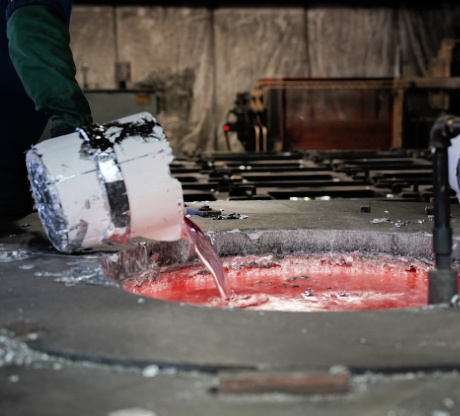
What Are the Precaution in Aluminum Foundries?
Aluminum foundries implement safety steps such as correct ventilation, individual safety devices, normal security training, and tools maintenance. These methods aim to decrease dangers connected with liquified steel, ensuring a more secure working setting for staff members.
Can Aluminum Be Recycled After Casting?
Yes, aluminum can be recycled after casting. The recycling process retains its quality, making it a lasting selection. This capability to reuse light weight aluminum substantially decreases energy intake and environmental impact, advertising a circular economic climate in manufacturing.
What Abilities Are Required to Operate In an Aluminum Foundry?
Working in an aluminum foundry needs skills such as metalworking, knowledge of casting procedures, interest to safety protocols, problem-solving capabilities, teamwork, and experience with running equipment. These expertises assure reliable manufacturing and high-grade outcomes.
Aluminum foundries offer considerable advantages in production, largely due to the lightweight nature of aluminum, which enhances item performance and performance. Light-weight products play a crucial role in contemporary manufacturing, and light weight aluminum foundries exhibit the advantages of using such materials. While numerous materials are offered for production, the cost-effectiveness of light weight aluminum foundries stands out as a key advantage in production. Aluminum foundries play a crucial function in producing parts such as engine blocks, framework, and body panels, advertising a structured manufacturing process through accuracy casting techniques. Additionally, with the expanding fad toward lasting manufacturing, aluminum foundries are embracing environment-friendly techniques, further solidifying their duty in the aerospace sector.